

Our Theology
“You don't give dignity, you affirm the dignity God has already given.” -Cole Arthur Riley
Cohort Detroit is a Christian formation community rooted in a shared desire to follow Jesus.
Guided by Micah 6:8, we walk faithfully with Jesus, pursue justice and mercy, and serve our communities with humility and love.
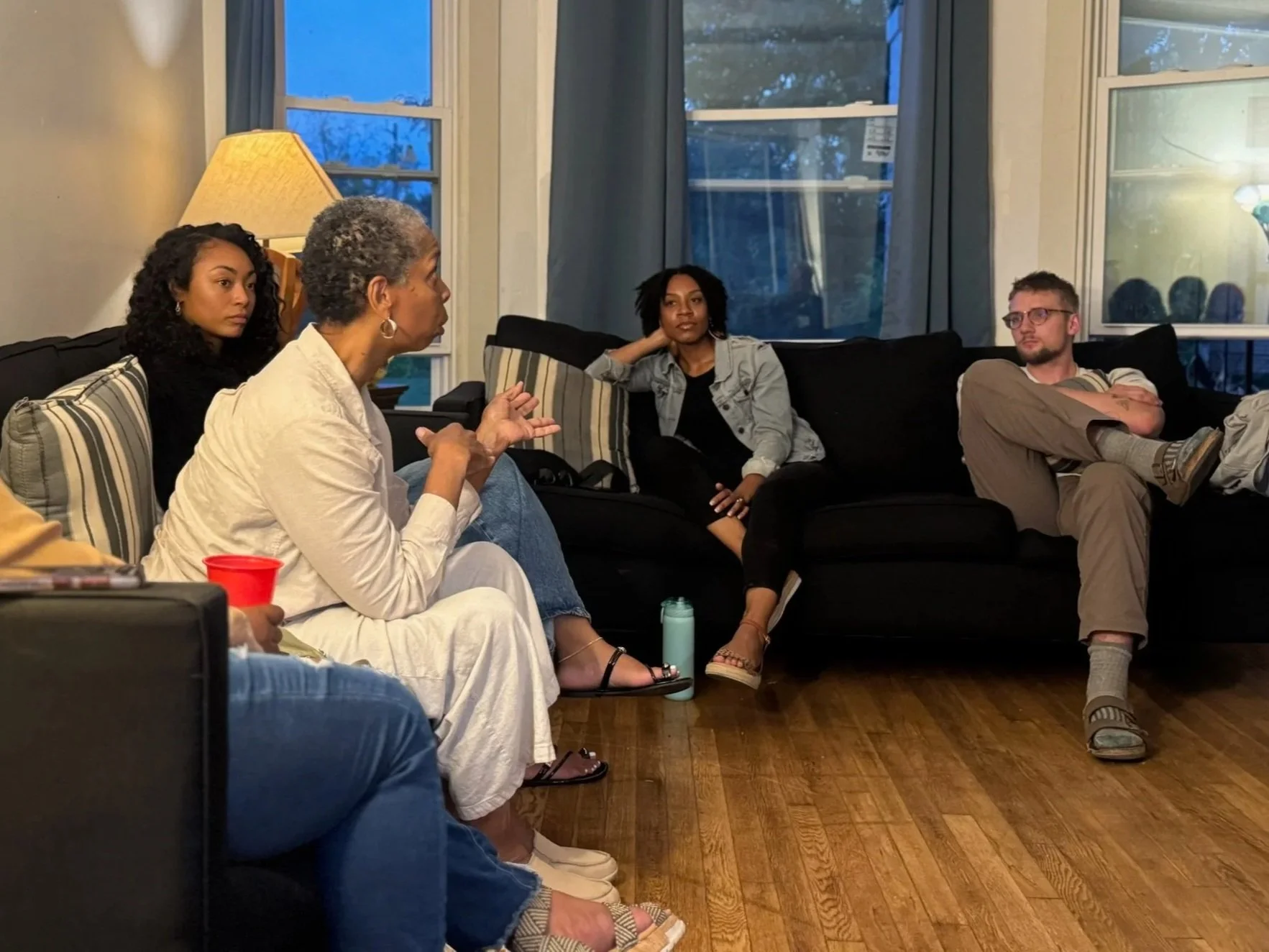
We prioritize the practical work of becoming people who can pay attention to God, wrestle honestly with our faith, care for ourselves and one another, and participate faithfully in our communities.
We explore this way of life through our three core themes: Christian Belonging, Lament & Justice, and Christian Imagination.
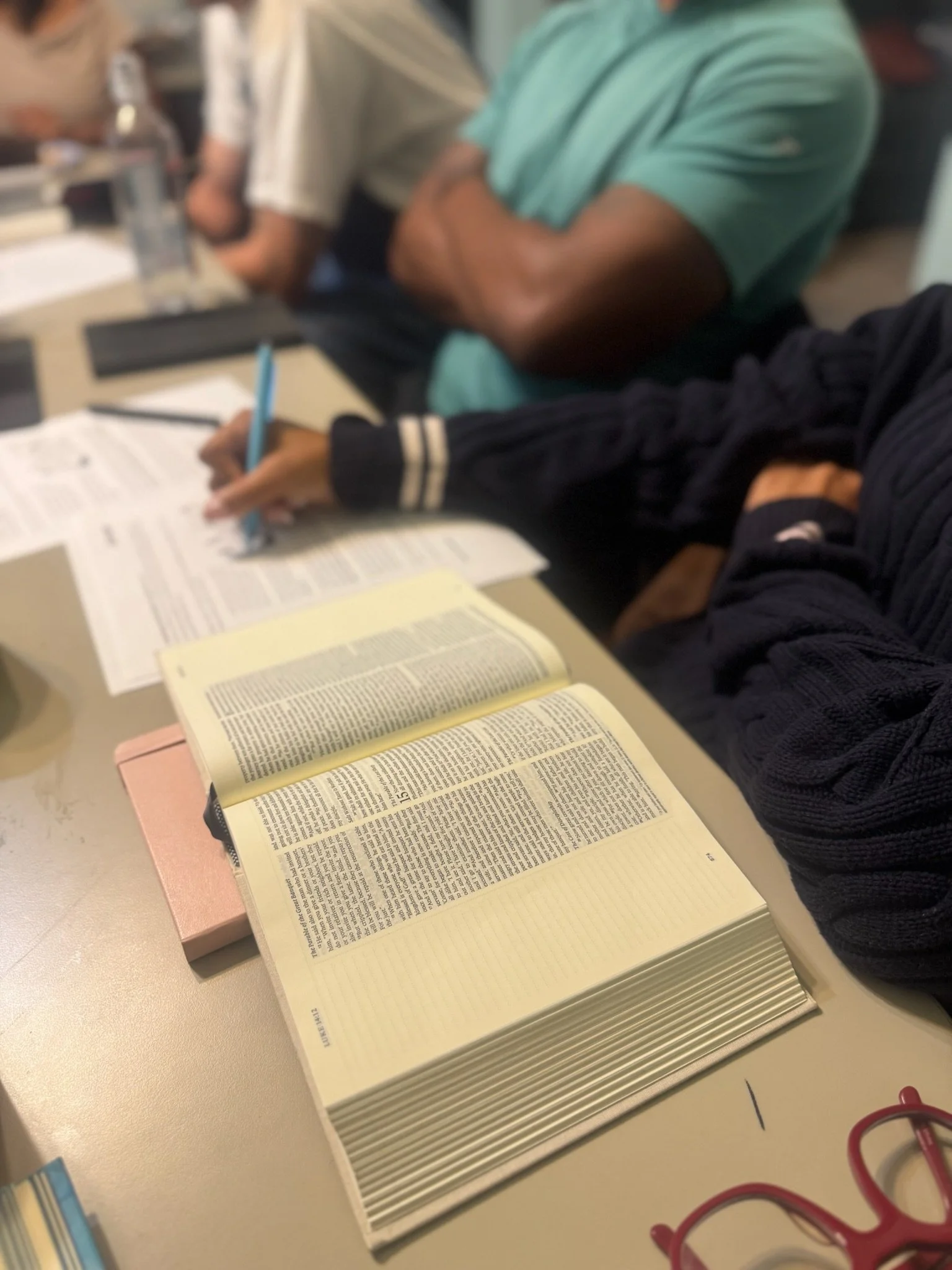
Our staff and community come from a variety of Christian denominations, traditions, cultures, and experiences. This diversity is a gift.
No single person or tradition holds the fullness of what can be known about God, and encountering God through the experiences and perspectives of others can deepen our own understanding. Because of this, Cohort practices unity without requiring uniformity. We make room for curiosity and even disagreement while remaining rooted in our shared desire to follow Jesus.
Our theological culture seeks to approach God and one another with humility, curiosity, honesty, attentiveness, and love. Participants are not expected to arrive at the same conclusions.
Our theological streams include:
Liberation Theologies from Africa, Latin America, and the Black Diaspora: pursuing justice “on earth as it is in heaven” is core to what it means to follow Jesus. James Cone, Gustavo Gutierrez, Rev. Dr. King, and Allan Boesak shape our learning.
A Reformational accent: that God is present in every square inch of creation holds. We don’t draw divisions in our work between “sacred” and “secular,” but see God’s image in all people and through all work.
The African Methodist Episcopal Church’s conviction that spiritual growth and loving our neighbor are inseparable, and an active commitment to pushing against a gospel which has so often been exclusionary or weaponized by the race or culture in power.
Howard Thurman’s Christian contemplative tradition which roots our learning within transformative encounters with God’s love: Sabbath rest, breath prayers, Lectio Divina, and Psalms of Lament ground our learning.